Duration
48 Hours
Partner
Save the Children
Team Size
6 Members
My Role
Behaviour Designer
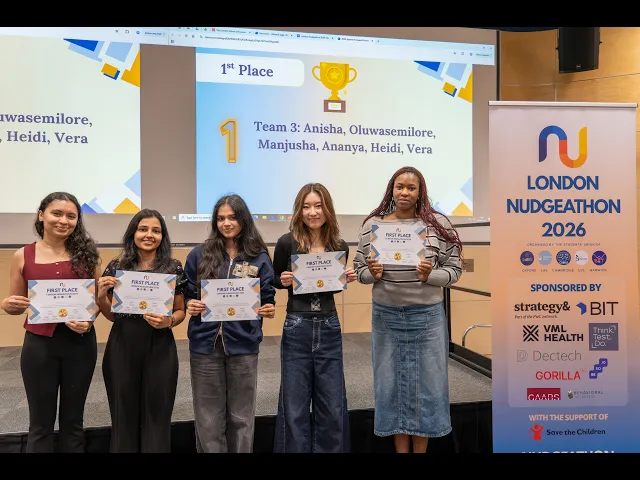
In 48 hours, six of us built an intervention grounded in behaviour science — one that respects culture, leverages community trust, and is designed to outlast the programme itself.
View our winning pitch
The Problem
21,000+
premature deaths annually from household air pollution in Nepal
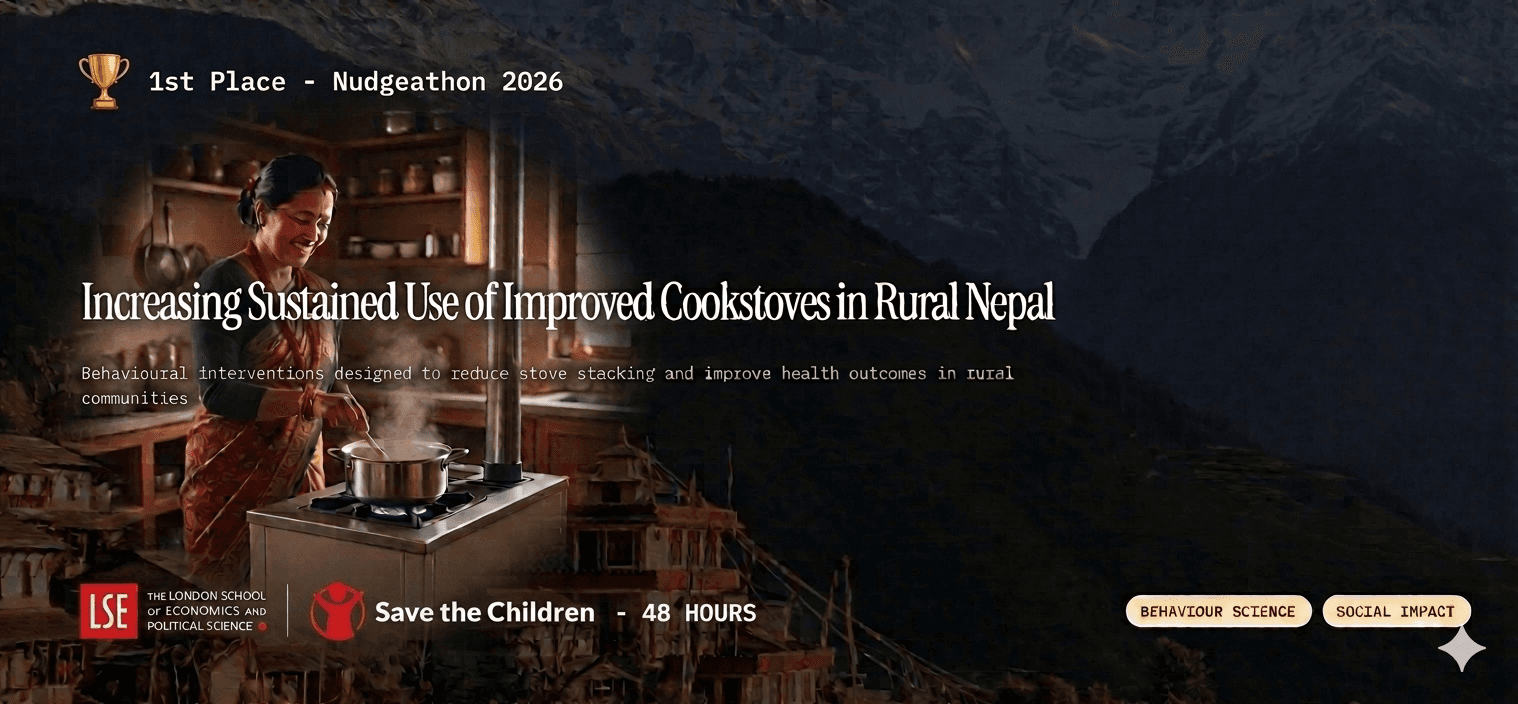
Rural Nepali households receive improved cookstoves — but keep using their traditional mud stoves alongside them. This "stove stacking" behaviour erases most of the health and environmental benefits the programme was designed to deliver.
How Might We
Design behavioural interventions that increase sustained use of improved cookstoves as the primary cooking method in rural Nepali households?
Behavioural Diagnosis
We applied the COM-B model to map the barriers driving stove stacking across three dimensions.
Capability
Users lack skills for installation, safe operation, and minor repairs. Limited awareness of health harms from smoke or long-term fuel savings.
Opportunity
Upfront cost and weak supply chains reduce uptake. Cooking norms, gender roles, and taste preferences shape decisions — visible adoption by neighbours can shift trust.
Motivation
Traditional fires are habitual and emotionally linked to routine, warmth, and identity. Households adopt when they see immediate, tangible benefits.
Our Interventions
Motivation
Women Champions
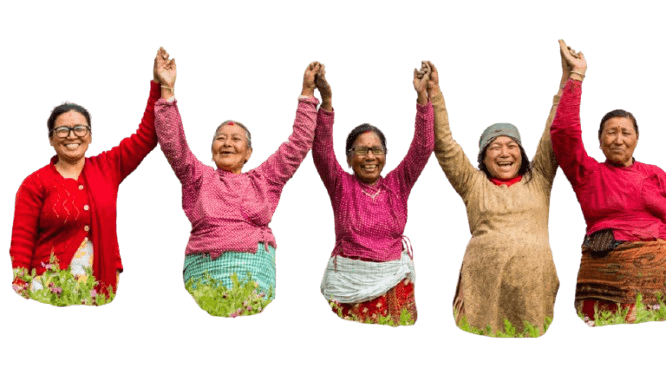
Recruit trusted women from CFUG leaders, Mahila Samuhas, and village elders for door-to-door visits — live demos, setup support, and traditional recipes co-adapted for ICS. Creates visible adoption: "Women like me are using this."
Social Proof
Authority Bias
Identity Motivation
Capability
Cook-off Competition
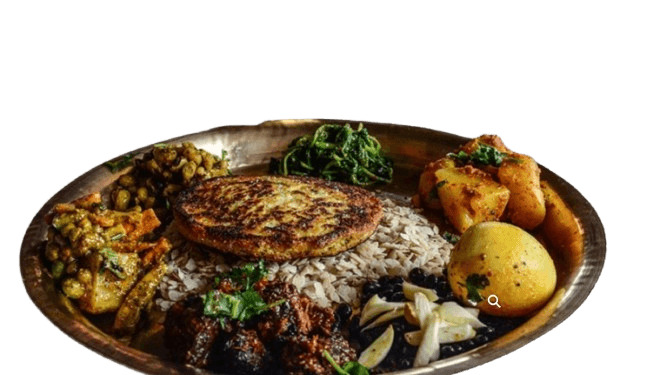
Bimonthly live cook-offs comparing ICS with biomass stoves — leveraging Nepal's 15-day Dashain festival for high-visibility exposure. Builds hands-on confidence ("I can use this") and reduces ambiguity through experiential learning.
Experiential Learning
Mere Exposure Effect
Ambiguity Aversion
Opportunity
Pot Exchange Programme
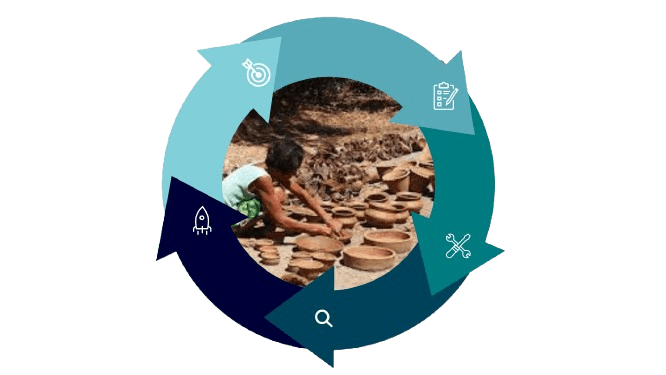
Exchange incompatible clay pots for ICS-compatible ones via women champions. Old pots are repurposed into bricks and ceramics with local firms, generating community revenue. New pots act as commitment devices — removing the last physical reason to revert, honouring tradition rather than erasing it.
Commitment Device
Friction Reduction
Cultural Framing
Campaign Messages
SMS messages delivered via CUBIC, each targeting a specific behavioural barrier. Non-digital versions via radio and newspaper for lower-literacy areas.
Descriptive Social Norms
80% of families in your village are now using ICS instead of biomass stoves. Would you like to see one in action? Call 1221.
Barrier: Social opportunity
Foot-in-the-door
Thanks for visiting the ICS stall today. Would you like to install one at your home? Our team can help — call 1221.
Barrier: Reflective motivation
Positive Reinforcement
Thank you for choosing your improved cookstove. Every pot exchanged moves your village forward — contributing bricks for local improvements.
Barrier: Automatic motivation
Identity Motivation
You are the 50th household to switch. Your family's future is cleaner because of you — and you are helping build a healthier Nepal.
Barrier: Reflective motivation + Social opportunity
Evaluation
Measuring what matters
Week 1
Usability Check
Catch practical problems before they become abandonment
Month 1
Abandonment Check
Trigger champion support for households reverting to the mud stove
Month 3
Habit Check
Stacking rates + focus groups to assess norm formation
Month 6
Primary Evaluation
3×2 Mixed ANOVA across 3 randomised communities in Chitwan province
Reflections
01
Behaviour change is always local. The most elegant intervention only works if it fits the cultural, social, and physical context of the people it's designed for.
02
Friction is the enemy of adoption. The Pot Exchange was the most novel insight — removing incompatible cookware removed the last physical reason to revert.
03
Sustainability by design. The pottery enterprise runs independently after the NGO leaves — community ownership was built in from the start, not bolted on.