Overview

Overview

Duration

Dec 2023 - Feb 2024

Dec 2023 - Feb 2024

Team

1 Lead UX Designer

1 UX Designer (me)

1 Product Owner

4 Developers

1 Lead UX Designer

1 UX Designer (me)

1 Product Owner

4 Developers

My Role

My main responsibilities included redesigning our traditional, non-intuitive flows, conducting usability testing, and creating improved visuals. I engaged with onboarded clients, collaborated closely with PMs and other stakeholders, and leveraged insights from client interviews and testing sessions to inform and validate design decisions

My Role

  • My main responsibilities included redesigning our traditional, non-intuitive flows, conducting usability testing, and creating improved visuals.

  • I engaged with onboarded clients, collaborated closely with PMs and other stakeholders, and leveraged insights from client interviews and testing sessions to inform and validate design decisions

Impact

Impact

70%

70%

Reduced time taken

Reduced time taken

30%

30%

Reduced task steps through layout optimization and autofill

Reduced task steps through layout optimization and autofill

Background

Background

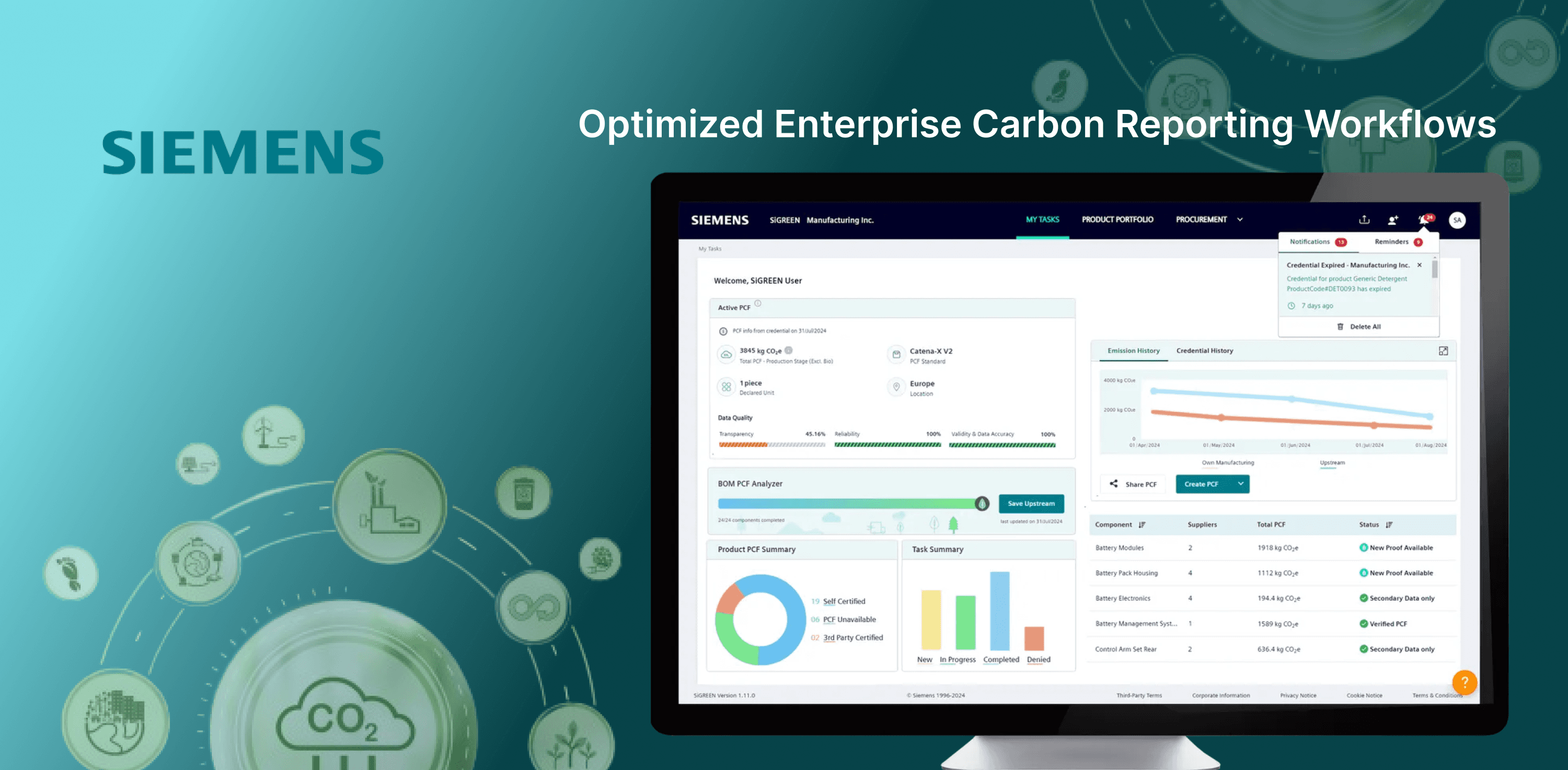
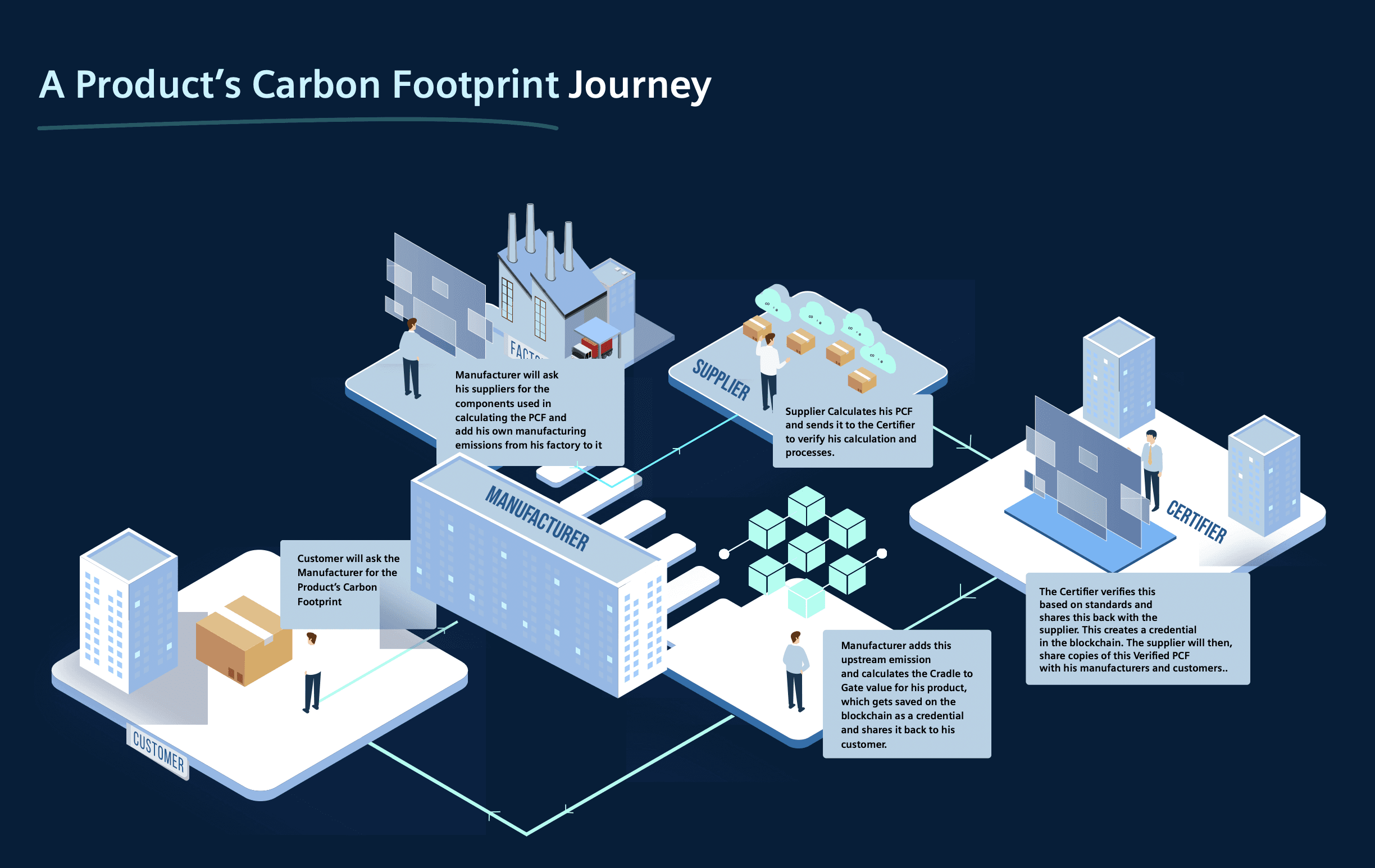
SiGREEN is an open blockchain secured network to share trusted (PCF)product carbon footprints along the supply chain. As the emissions of industries are increasing with time, identifying and quantifying CO2 , emissions only helps organizations to identify excessive energy usage or other inefficiencies.

PCF form is the backbone of SiGREEN. It is the core to a lot of standardized industry data which helps in computing the emissions built around it.

SiGREEN is an open blockchain secured network to share trusted (PCF)product carbon footprints along the supply chain. As the emissions of industries are increasing with time, identifying and quantifying CO2 , emissions only helps organizations to identify excessive energy usage or other inefficiencies.

PCF form is the backbone of SiGREEN. It is the core to a lot of standardized industry data which helps in computing the emissions built around it.

“Measuring your carbon footprint is the first step to reducing it”

“Measuring your carbon footprint is the first step to reducing it”

The Challenge

The Challenge

How might we

How might we

simplify the PCF form so that user is not only able to create the product’s carbon footprint seamlessly but also educates users on the quality of PCF which they share across industries

simplify the PCF form so that user is not only able to create the product’s carbon footprint seamlessly but also educates users on the quality of PCF which they share across industries

Lets understand the

Problem Space

Lets understand the

Problem Space

How it all started

1

The forgotten PCF form

The old team made the form years ago without involving designers; it was a quick, temporary solution with no updates since.

2

A Maze of confusion

Users struggled with confusing language and poor structure, leading to frequent errors and incomplete submission

3

Loss of Trust

High error rates frustrated users and damaged trust, highlighting the need for a more intuitive experience.

4

Time for Rethinking

Redesign was initiated to improve usability, reduce errors, and align the form with our current product standards.

How I approached research

How I approached research

Goals

  • To understand if the user is able to navigate easily through the PCF form.

  • Understand any hinderances in the experience of the user while doing the same

  • To make the learning curve easier for the user, and ensure that they are not confused

Approach

  • To identify the common & important problems to focus on, we used two approaches

PM spoke with the people who are actively using our PCF form.

  • I conducted a self-evaluation UX Audit to validate their feedback.

  • I conducted Guerilla testing with peers to get to know usability issues better

Approach 1

Approach 1

Research with users

Research with users

We scheduled a call with managers from the client side who are working on this roster creation. The PM conducted interviews with active users to understand their real-world challenges. These conversations revealed pain points, confusion, and unmet needs that directly shaped our redesign priorities.

We scheduled a call with managers from the client side who are working on this roster creation. The PM conducted interviews with active users to understand their real-world challenges. These conversations revealed pain points, confusion, and unmet needs that directly shaped our redesign priorities.

Key questions we asked our users

Can you walk us through how you currently fill out the PCF form?

Have you ever made errors while filling it out? If so, where and why?

Have you ever abandoned the form before completing it? Why?

What parts of the form do you find confusing or unclear?

What improvements would make the form easier or faster for you to complete?
Some honest answers from users

I just fill it line by line, but I’m not always sure what’s needed

Many fields are unclear or too technical. Need to always google what that means

It feels overwhelming at first glance with so many sub stages

Some sections don’t apply but I still have to fill them

It feels outdated and not intuitive.

some honest answers from users

I just fill it line by line, but I’m not always sure what’s needed

Many fields are unclear or too technical. Need to always google what that means

It feels overwhelming at first glance with so many sub stages

Some sections don’t apply but I still have to fill them

It feels outdated and not intuitive.

Approach 2

Approach 2

UX Audit

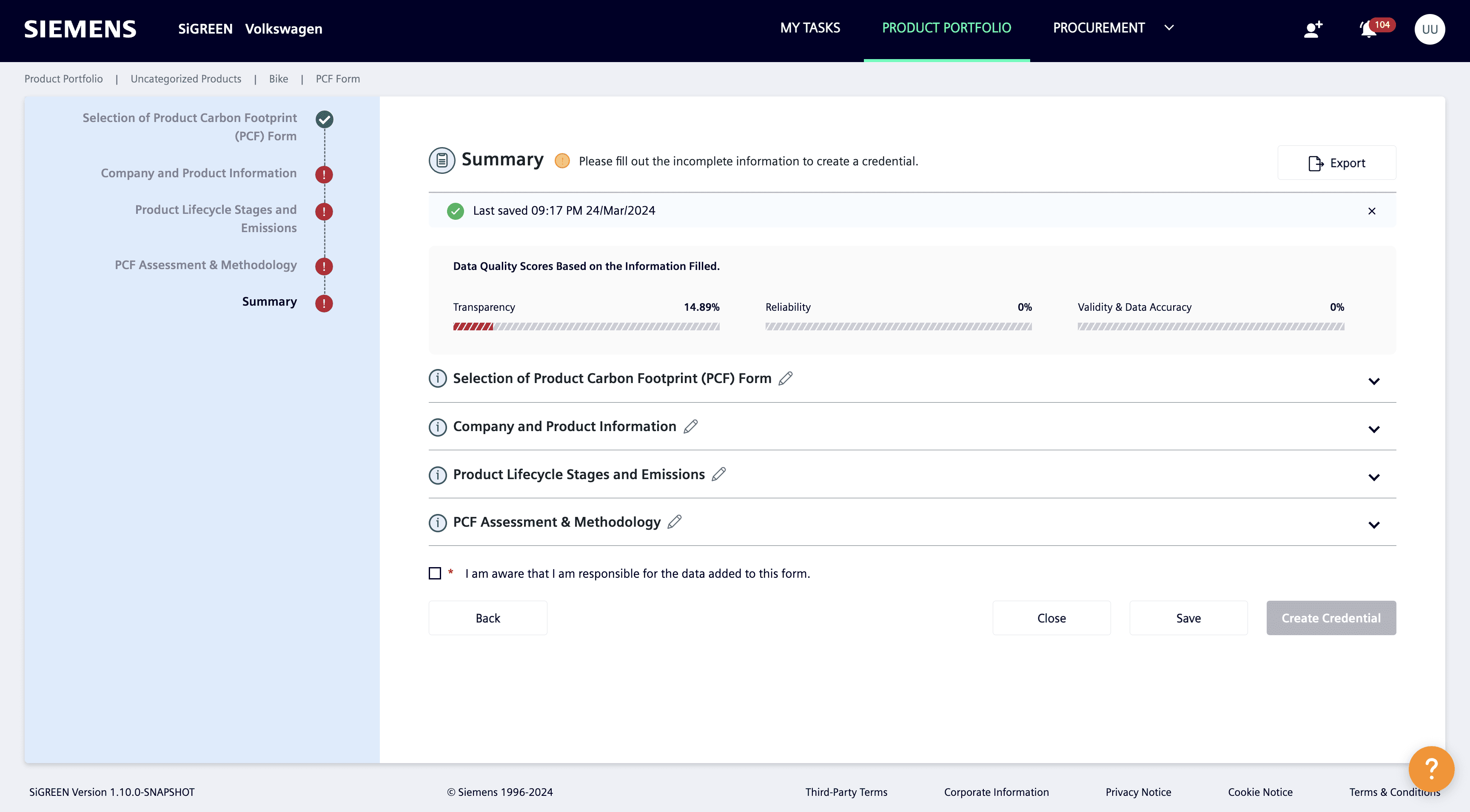
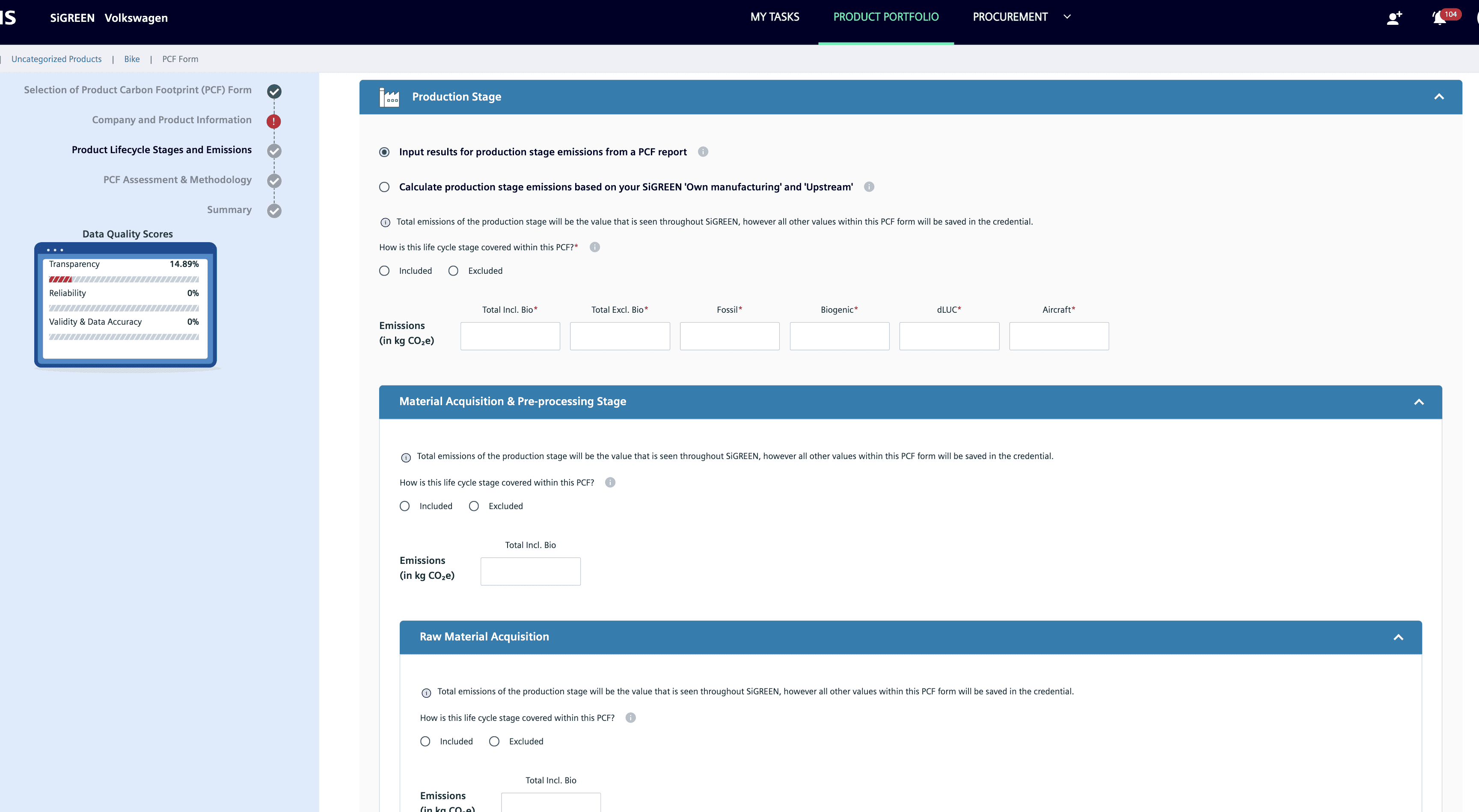
I reviewed the entire form flow, content, and interactions to spot usability issues. This helped confirm user pain points and uncover additional areas for improvement.

Existing PCF Form

Existing PCF Form

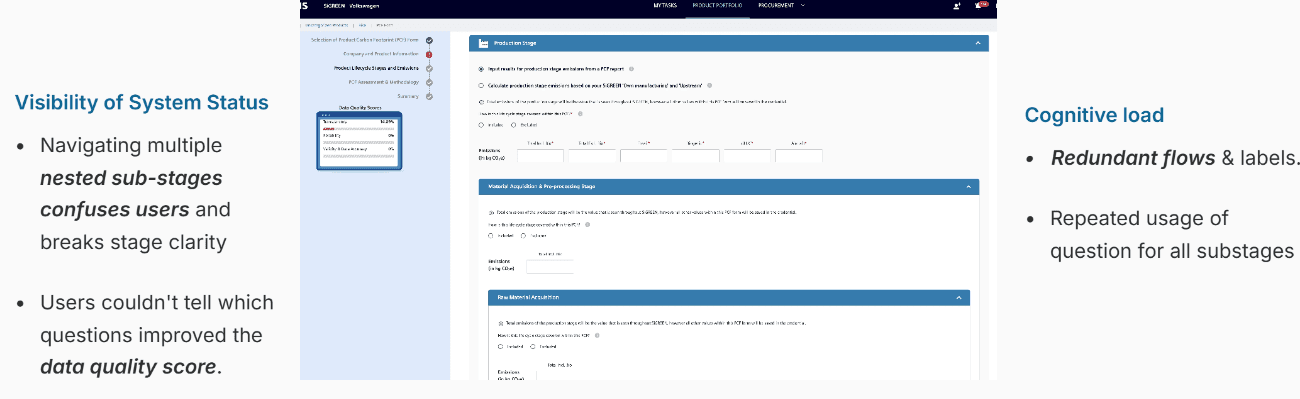
Visibility of System Status

  • Navigating multiple nested sub-stages confuses users and breaks stage clarity

  • Users couldn't tell which questions improved the data quality score.

Cognitive load

  • Redundant flows & labels.

  • Repeated usage of question for all substages

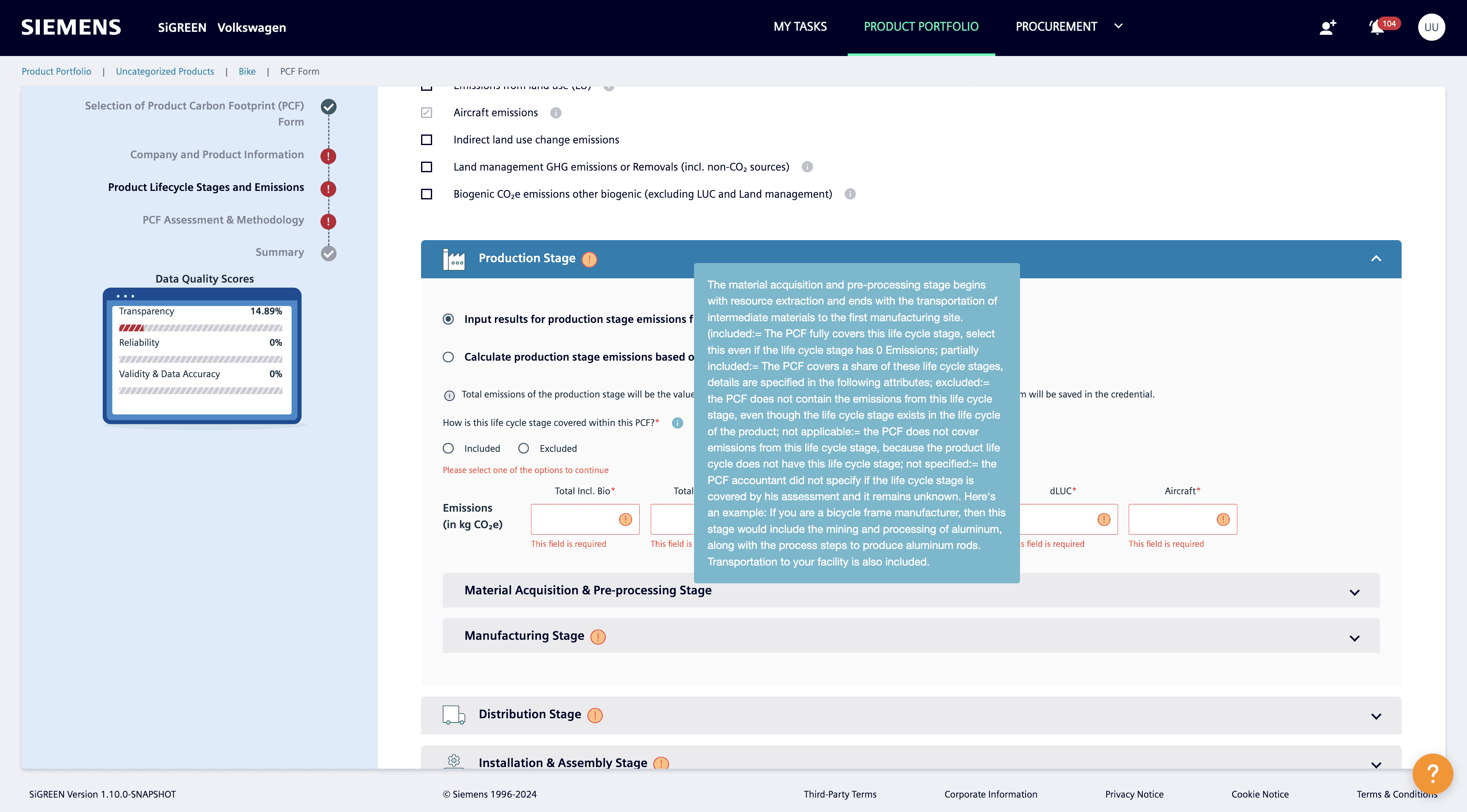
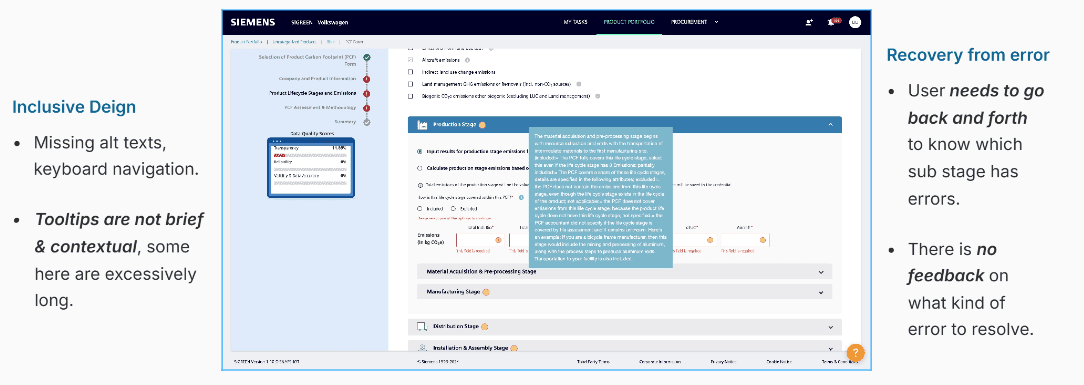
Inclusive Deign

  • Missing alt texts, keyboard navigation.

  • Tooltips are not brief & contextual, some here are excessively long.

Recovery from error

  • User needs to go back and forth to know which sub stage has errors.

  • There is no feedback on what kind of error to resolve.

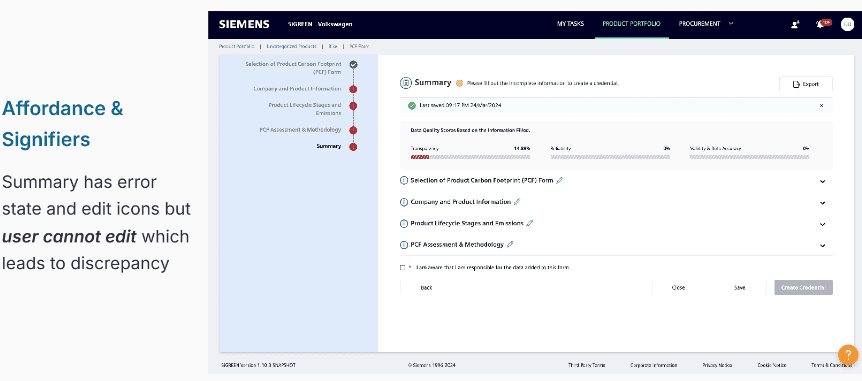
Affordance & Signifiers

Summary has error state and edit icons but user cannot edit which leads to discrepancy

Approach 3

Approach 3

Guerilla Testing

Guerilla Testing

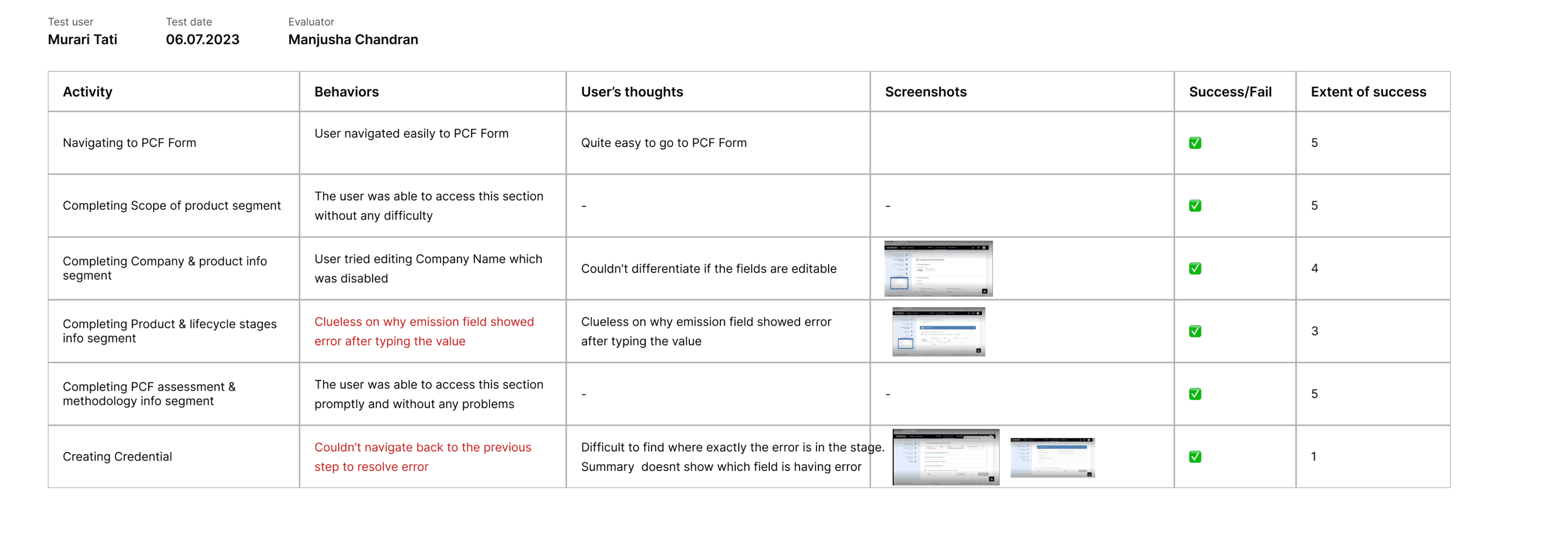
I ran quick, informal tests with 8 users to observe real-time interactions and spot pain points. Their feedback revealed confusing language, unclear field purpose, and opportunities to simplify the form flow. I played a key role in preparing the report and findings. This included users who were completely new and few users who were already using this form.

I ran quick, informal tests with 8 users to observe real-time interactions and spot pain points. Their feedback revealed confusing language, unclear field purpose, and opportunities to simplify the form flow. I played a key role in preparing the report and findings. This included users who were completely new and few users who were already using this form.

Sample report findings from one of the user

Sample report findings from one of the user

Key Findings from research

Key Findings from research

Interaction based

Interaction based

Navigating nested sub-stages can confuse users and make them lose track in the form

Navigating nested sub-stages can confuse users and make them lose track in the form

Navigating nested sub-stages can confuse users and make them lose track in the form

Average completion time of 20–25 minutes was too high.

Average completion time of 20–25 minutes was too high.

Average completion time of 20–25 minutes was too high.

Information based

Information based

User can't see how form fields impact data quality, limiting informed decisions on industry emissions.

User can't see how form fields impact data quality, limiting informed decisions on industry emissions.

User can't see how form fields impact data quality, limiting informed decisions on industry emissions.

Lack of Grouping – Repeated questions across all substages add confusion.

Lack of Grouping – Repeated questions across all substages add confusion.

Lack of Grouping – Repeated questions across all substages add confusion.

Functionality based

Functionality based

No flexibility to edit from summary - users must open each main stage to modify sub-stages

No flexibility to edit from summary - users must open each main stage to modify sub-stages

No flexibility to edit from summary - users must open each main stage to modify sub-stages

Handling Errors- Users must navigate through every step to find and fix errors.

Handling Errors- Users must navigate through every step to find and fix errors.

Handling Errors- Users must navigate through every step to find and fix errors.

How did we solve it

How did we solve it

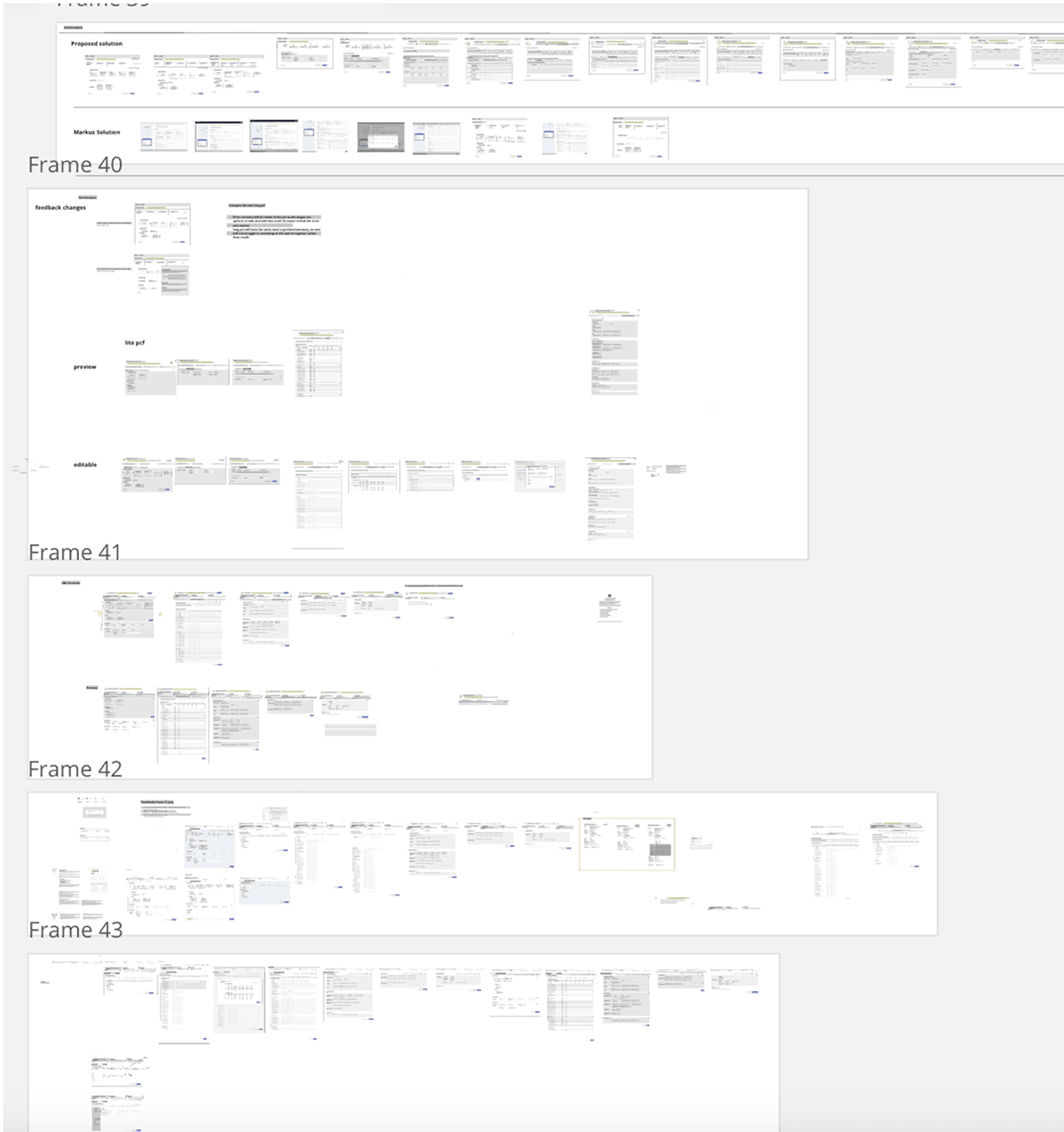
A small glimpse of what went behind the scenes in Whiteboarding and Miro

A small glimpse of what went behind the scenes in Whiteboarding and Miro

  • Skating on one leg
  • Riding a bicycle with V sign
  • A boat in the sea
  • Skating on one leg
  • Skating on one leg
  • Skating on one leg
  • Riding a bicycle with V sign
  • A boat in the sea
  • Skating on one leg
  • Skating on one leg

I conducted a thorough analysis of competitors like Catena, TFS and complex forms like income tax forms and industry standards to inform design decisions. Created mid and high-fidelity wireframes focused on usability and clarity. Collaborated closely with stakeholders to align on solutions and ensure feasibility

I conducted a thorough analysis of competitors like Catena, TFS and complex forms like income tax forms and industry standards to inform design decisions. Created mid and high-fidelity wireframes focused on usability and clarity. Collaborated closely with stakeholders to align on solutions and ensure feasibility

2

2

Workshops

Workshops

8

8

Iterations

Iterations

and multiple later.........................

and multiple ☕ later.........................

Solution

Solution

We simplified the PCF form by applying proven design principles to reduce cognitive load and improve clarity.
User feedback shaped our solutions, while the iX design system ensured consistency with Siemens products. The result is an intuitive, streamlined experience aligned with industry standards.

We simplified the PCF form by applying proven design principles to reduce cognitive load and improve clarity.
User feedback shaped our solutions, while the iX design system ensured consistency with Siemens products. The result is an intuitive, streamlined experience aligned with industry standards.

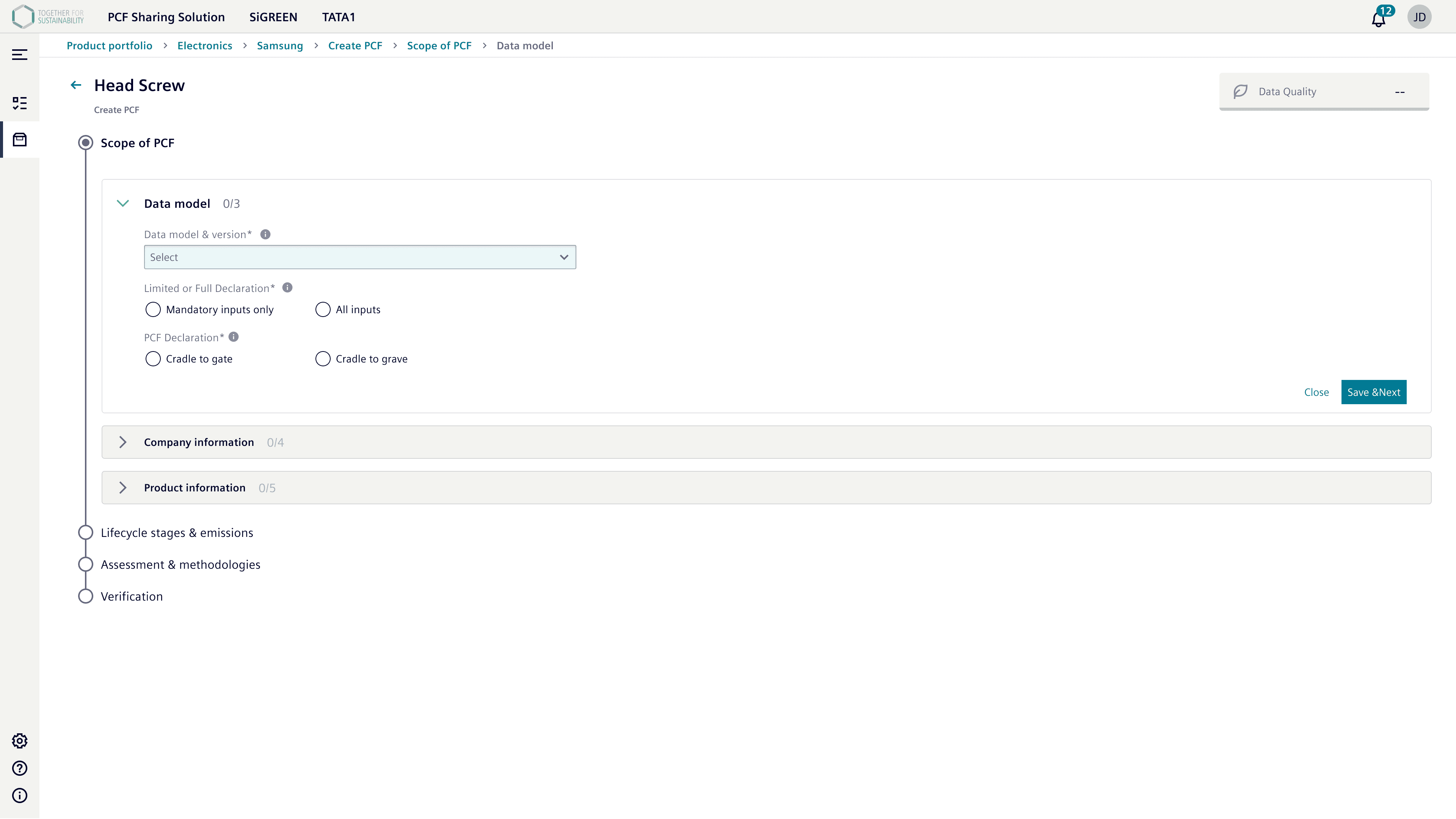
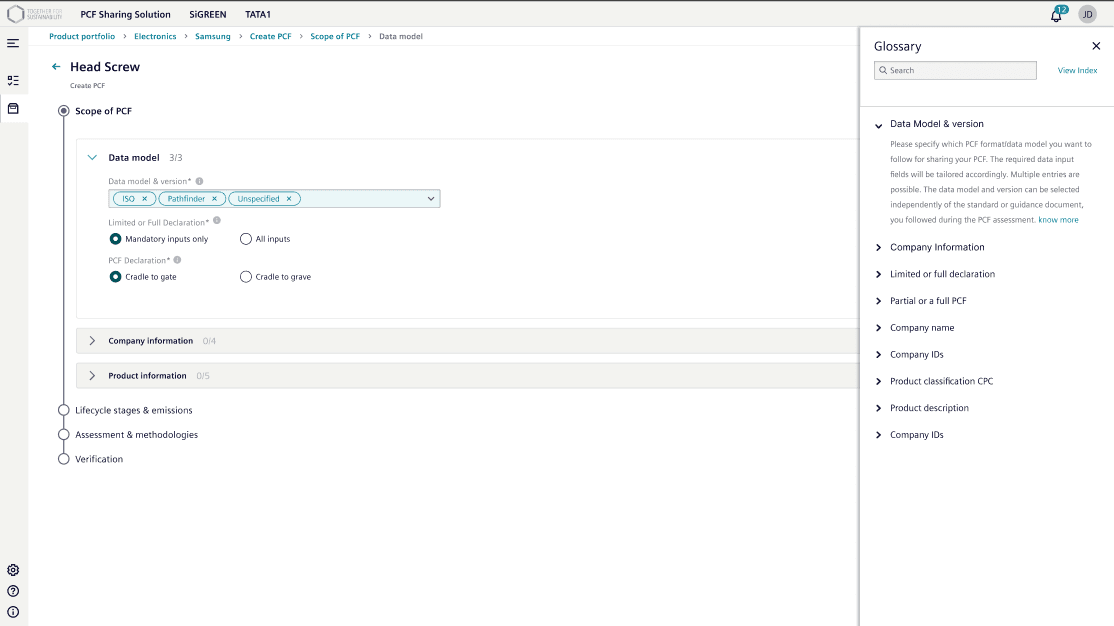
Scope of PCF Form

Scope of PCF Form

Indicative progress of which stage of PCF is the user currently. No Information overload as user is seeing only one stage at a time

Indicative progress of which stage of PCF is the user currently. No Information overload as user is seeing only one stage at a time

User is aware of the number of questions inside each substage and user is not overwhelmed by seeing the long form at first

User is aware of the number of questions inside each substage and user is not overwhelmed by seeing the long form at first

Glossary

Glossary

To avoid large text in tooltips, introduced Glossary section which helps user read about all the new terms he is unaware of

To avoid large text in tooltips, introduced Glossary section which helps user read about all the new terms he is unaware of

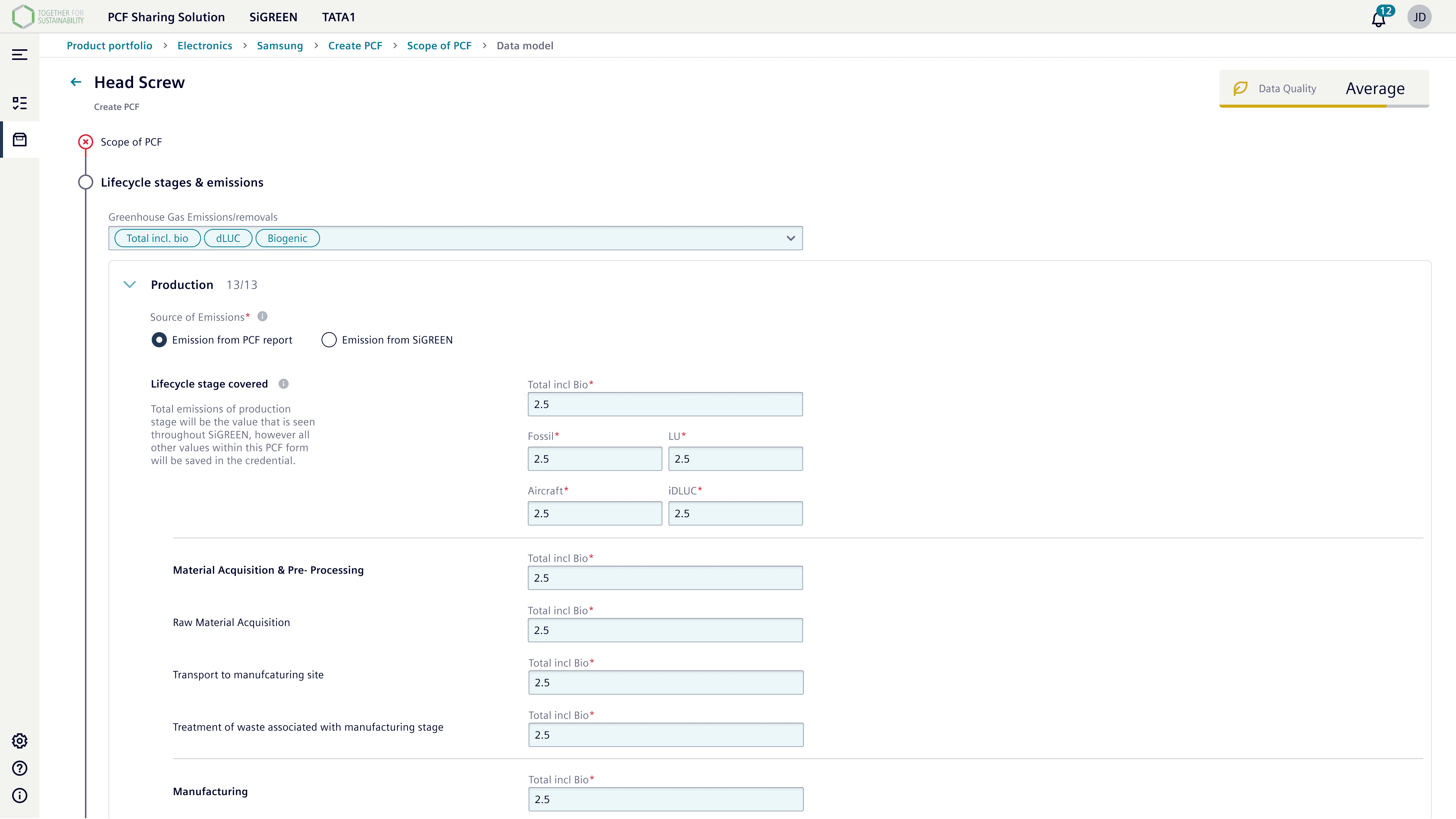
Lifecycle stages & Emissions

Lifecycle stages & Emissions

Ensures scalability in case different type of emissions are added in future it can be accommodated.

Ensures scalability in case different type of emissions are added in future it can be accommodated.

Fixed redundant flows by grouping similar information and providing better visual hierarchy

Fixed redundant flows by grouping similar information and providing better visual hierarchy

Clear distinguishing of the sub stages.

Clear distinguishing of the sub stages.

Data quality indication is changed from percentage to three parameters - Good/Average/Poor with indicators

Data quality indication is changed from percentage to three parameters - Good/Average/Poor with indicators

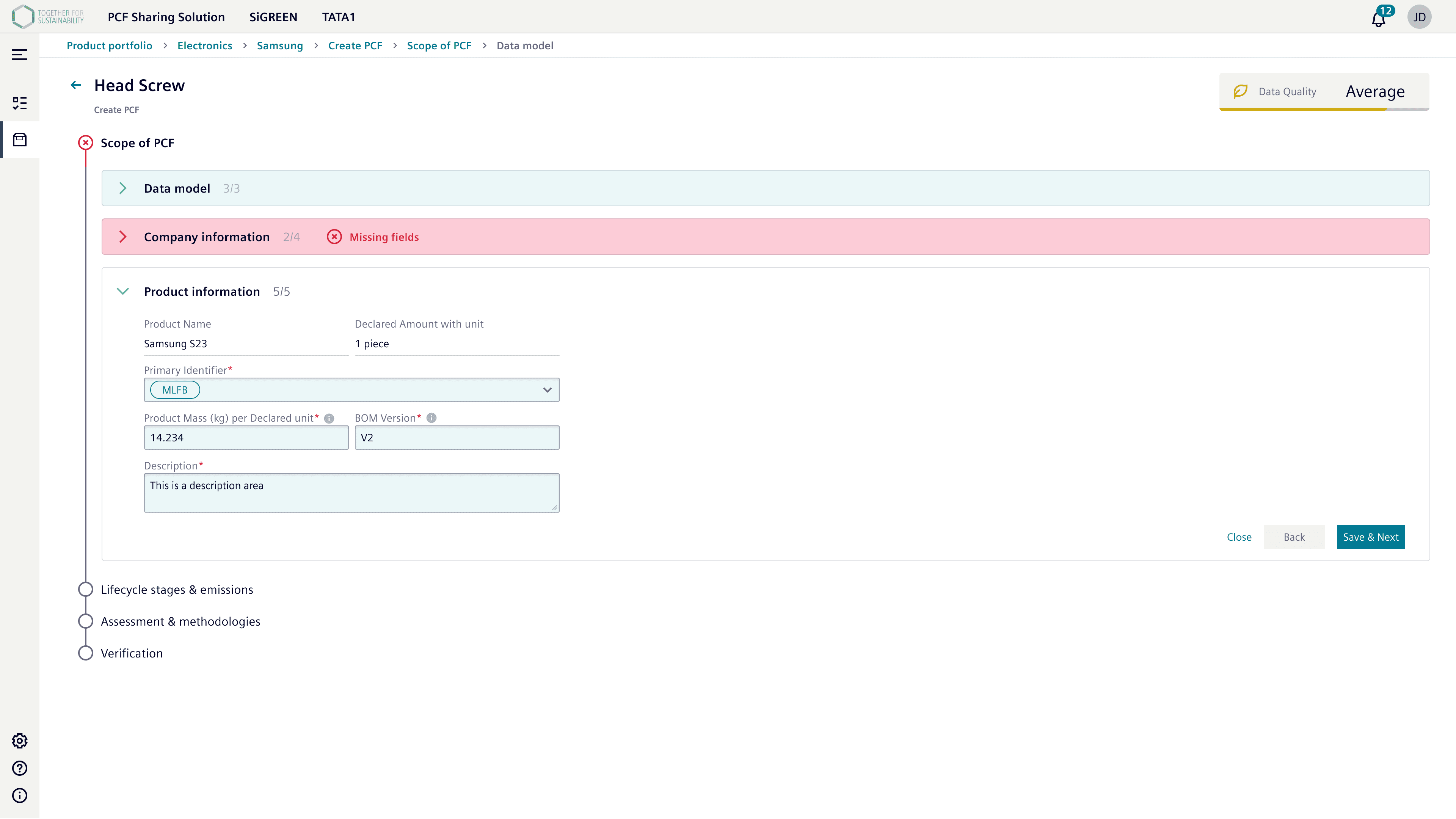
Error Recovery

Handling errors- Users see error indicators at the specific sub-stage and on the main stage, helping them quickly identify and recover from errors

Handling errors- Users see error indicators for errors helping them quickly identify and recover from errors

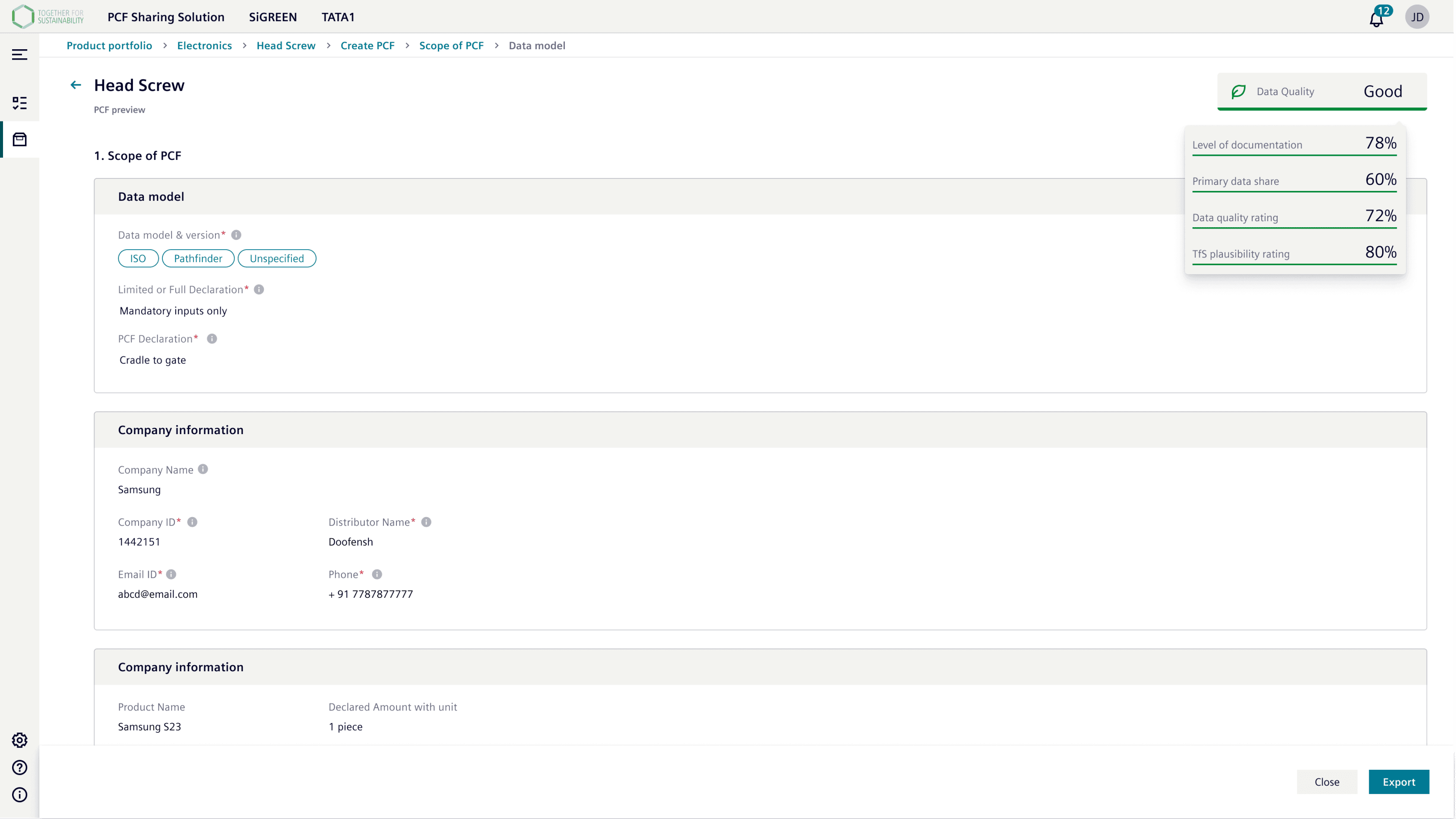
PCF Preview

User can hover on the data quality and see the breakdown of Data quality for different parameters

User can hover on the data quality and see the breakdown of Data quality for different parameters

PCF form is also made editable from the Preview section so that user doesn’t have to go back and forth to edit and view

Impact

  • Reduced Time taken - Time taken to fill the PCF form now was reduced by 50%

  • Increased Efficiency - Reduced task steps by 30-40% through layout optimization and autofill

  • Reduced Error Rates - It contributed to a significant reduction in user errors and faster recovery from errors.

Next Steps

While we tried our best to use the iX design system and check for accessibility issues, testing the performance in real scenario would be important to find hidden interaction problems

Learnings & Takeaways

Overall my experience working with one of the main aspect of the product was challenging as well as gratifying. This journey rewarded me with some valuable learnings.


Cross Collaboration and communication

I learned the importance of effective collaboration and communication with stakeholders, including developers, product managers and other team members, throughout the design process to align on goals, requirements, and feedback.


Continuous improvement mindset

The iterative design process highlighted the importance of embracing a continuous improvement mindset, where design decisions are informed by user feedback, usability testing, and iterative refinement to ensure ongoing enhancements and optimizations