Overview
Simplilearn was successfully enrolling learners into its professional certification programmes, but fewer than 15% were reaching completion.
The initial brief focused on improving onboarding. Once we traced the learner journey and spoke with learners, the larger problem appeared later: participation dropped as courses became more self-directed, assignments accumulated, and learners had little contact with others going through the same programme.
We reframed the work from getting learners started to helping them sustain momentum through the programme.
Measured after launch across 3 cohorts over a period od 2 months.
Learners could access classes, assessments and course materials, but there were few ways to interact with peers inside the moments where they actually needed help or accountability.
Fewer than 15% of enrolled learners completed their programme. Existing feedback initially pointed to motivation, time management, and limited interaction as possible causes.
We mapped the full learner journey to understand where disengagement occurred and what was happening around those moments.
Course completion stayed under 15% despite strong enrollment. Five reasons kept surfacing:
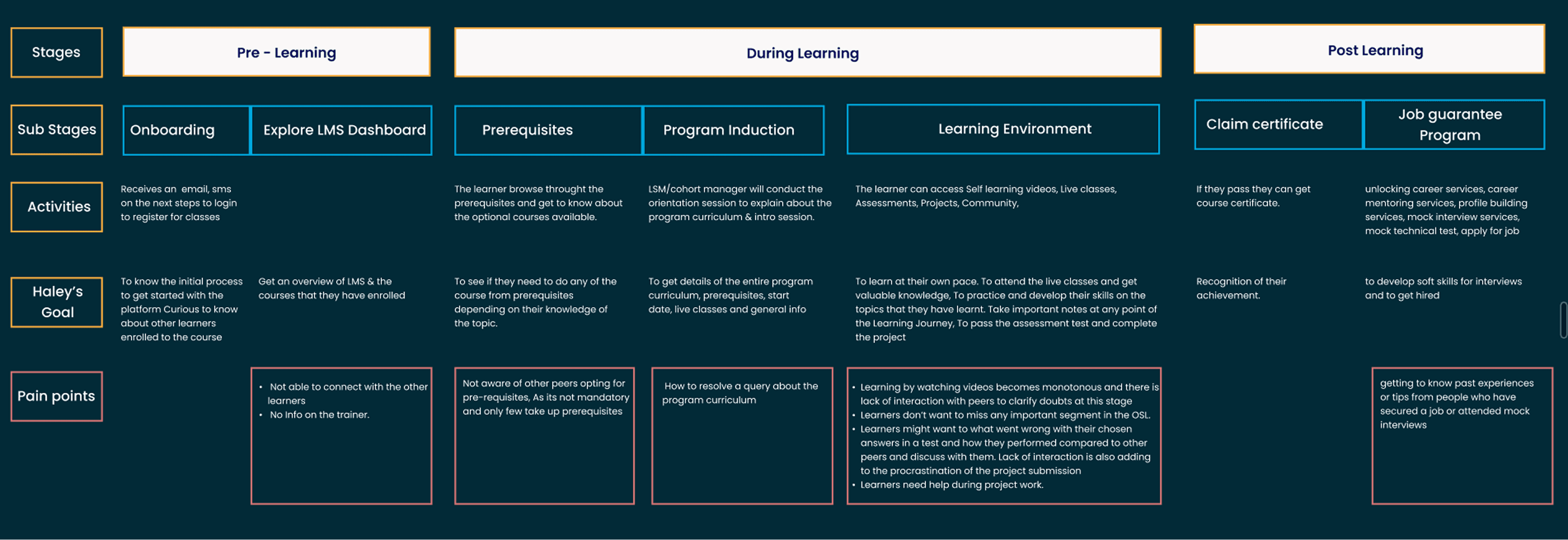
Together, these patterns pointed to one redefined problem:
Learners wanted help from people at a similar level
Beginners struggled to know whom to ask and existing cohorts gave little visibility into peer experience.Assignments created avoidance before work even began
some career switchers encountered substantial project requirements early and postponed starting them.Peer learning was already happening outside the product
Learners formed side chats, exchanged links and looked for informal study groups because the LMS did not support these behaviours.
The issue wasn't access to content. Learners needed timely social reinforcement to sustain motivation over several weeks.
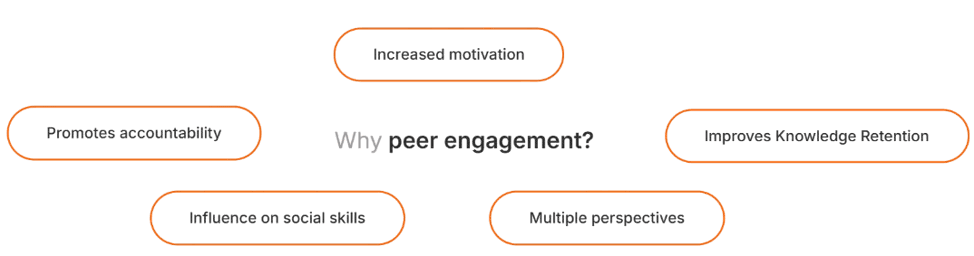
Measured after launch across 3 cohorts over a period od 2 months.
We used the Fogg Behaviour Model to examine what would make peer participation more likely inside the learning journey.
The model looks at three conditions that need to come together for a behaviour to happen: motivation, ability and a prompt.
Behavior happens when Motivation, Ability, and Trigger converge.
This shifted the design direction from building a standalone community to embedding peer support across specific moments in the course experience.

make peer support available at the moments learners lose momentum, without adding another layer of effort to completing the course?
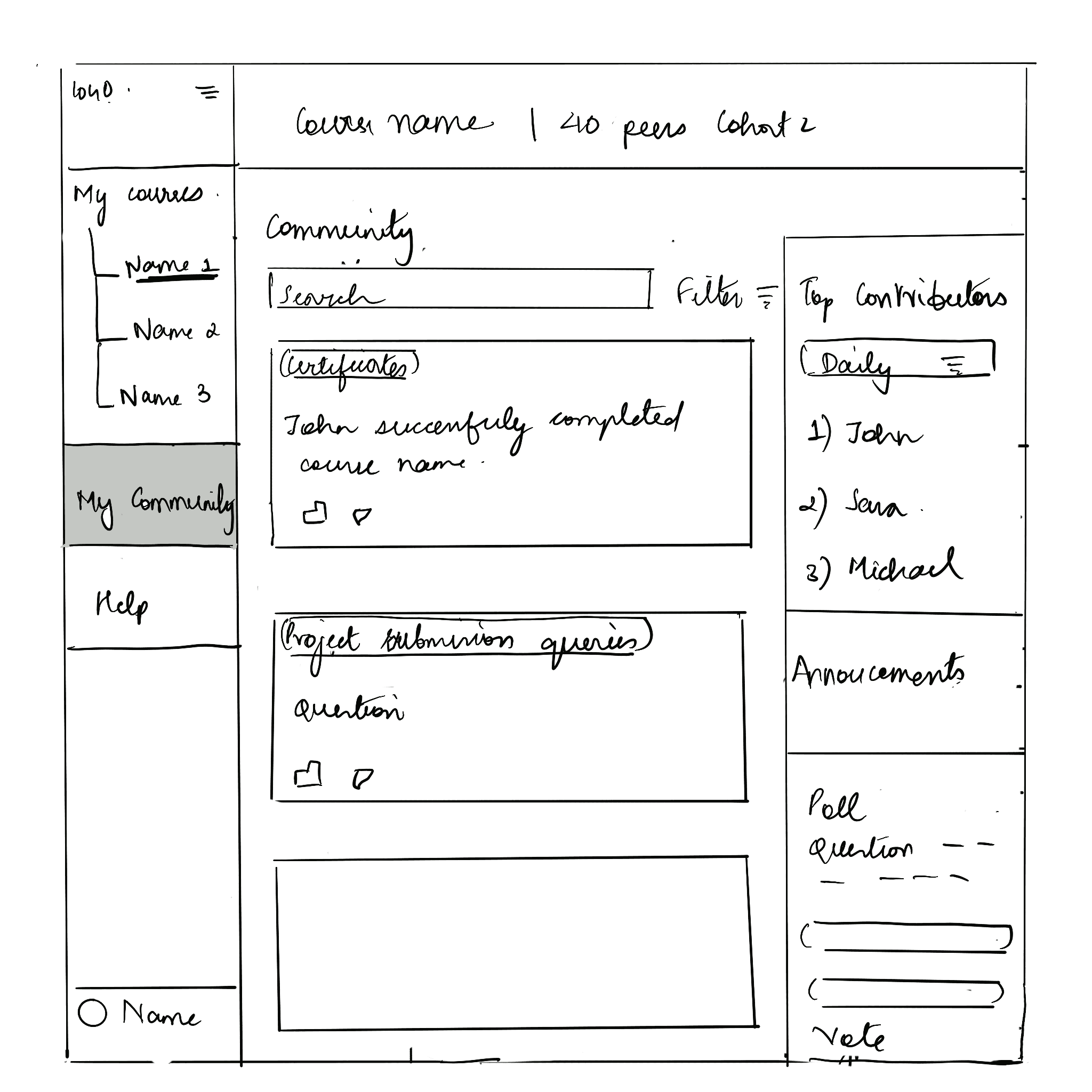
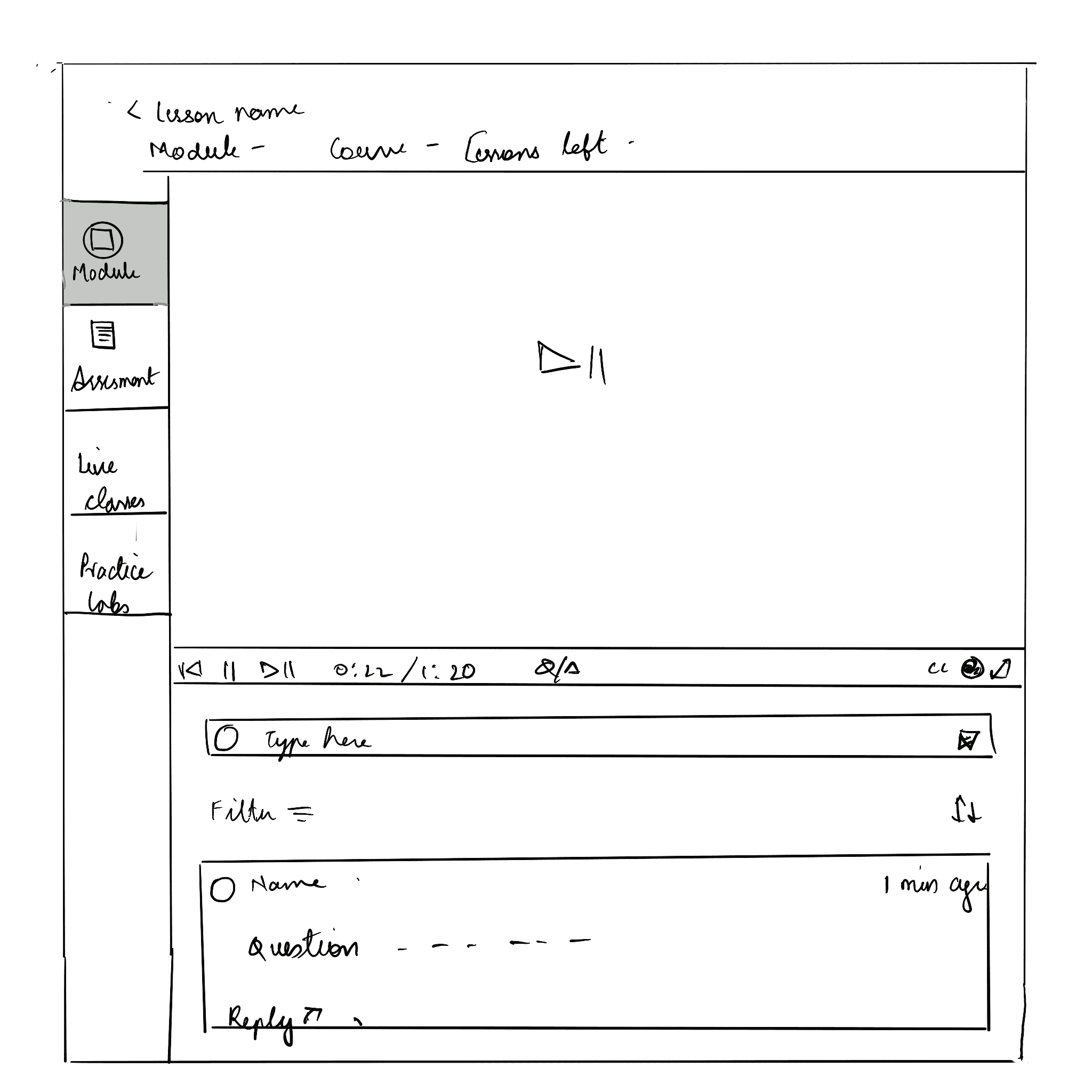
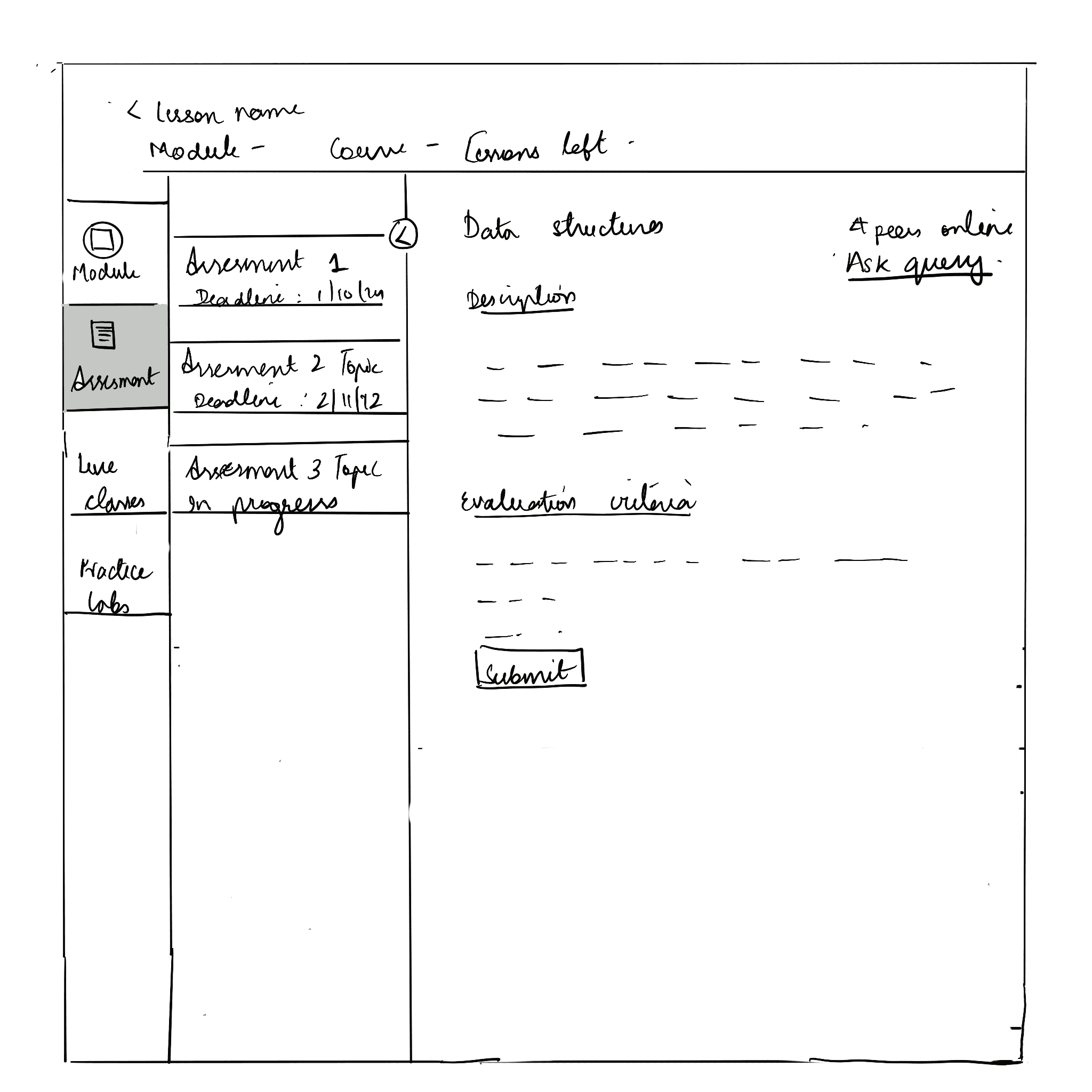
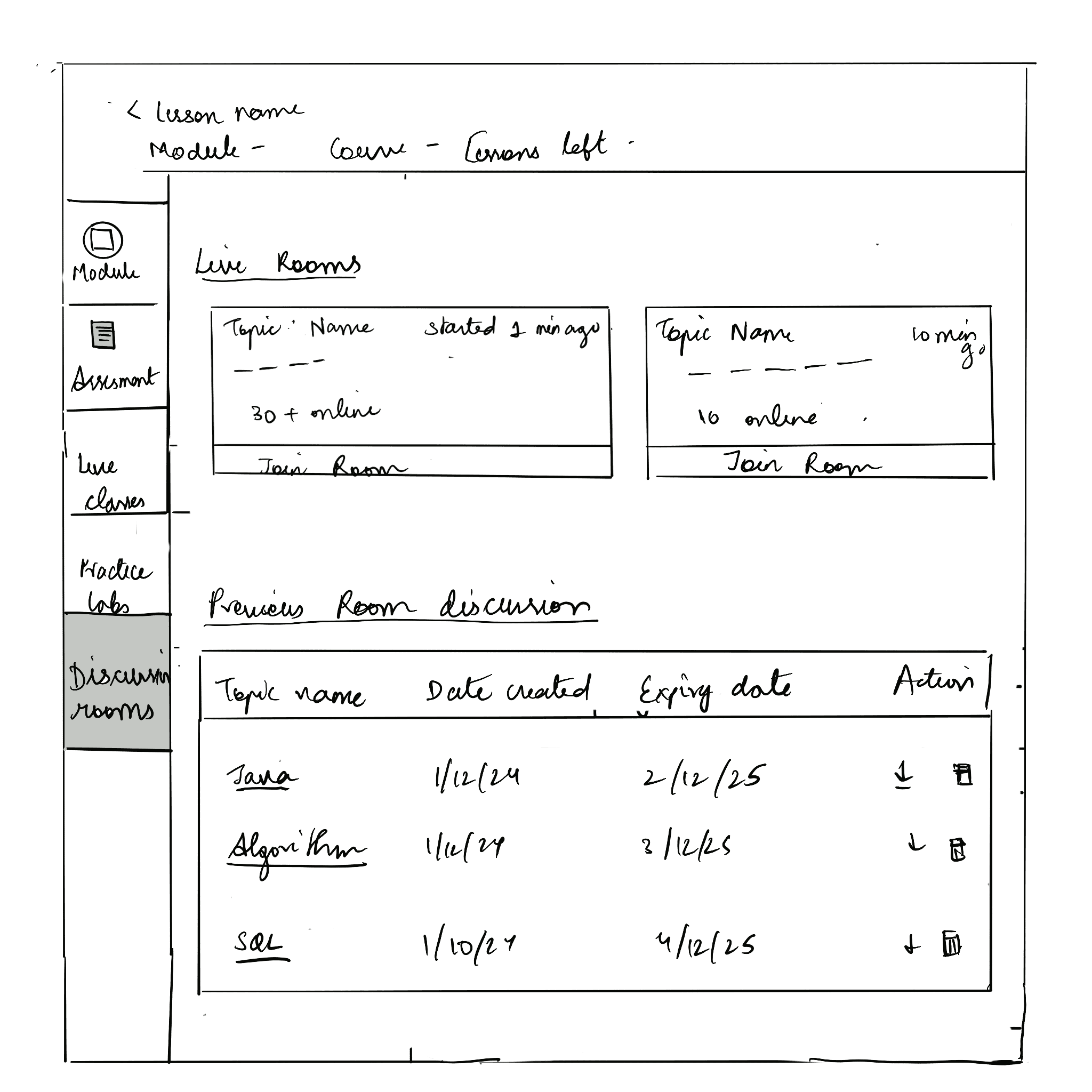
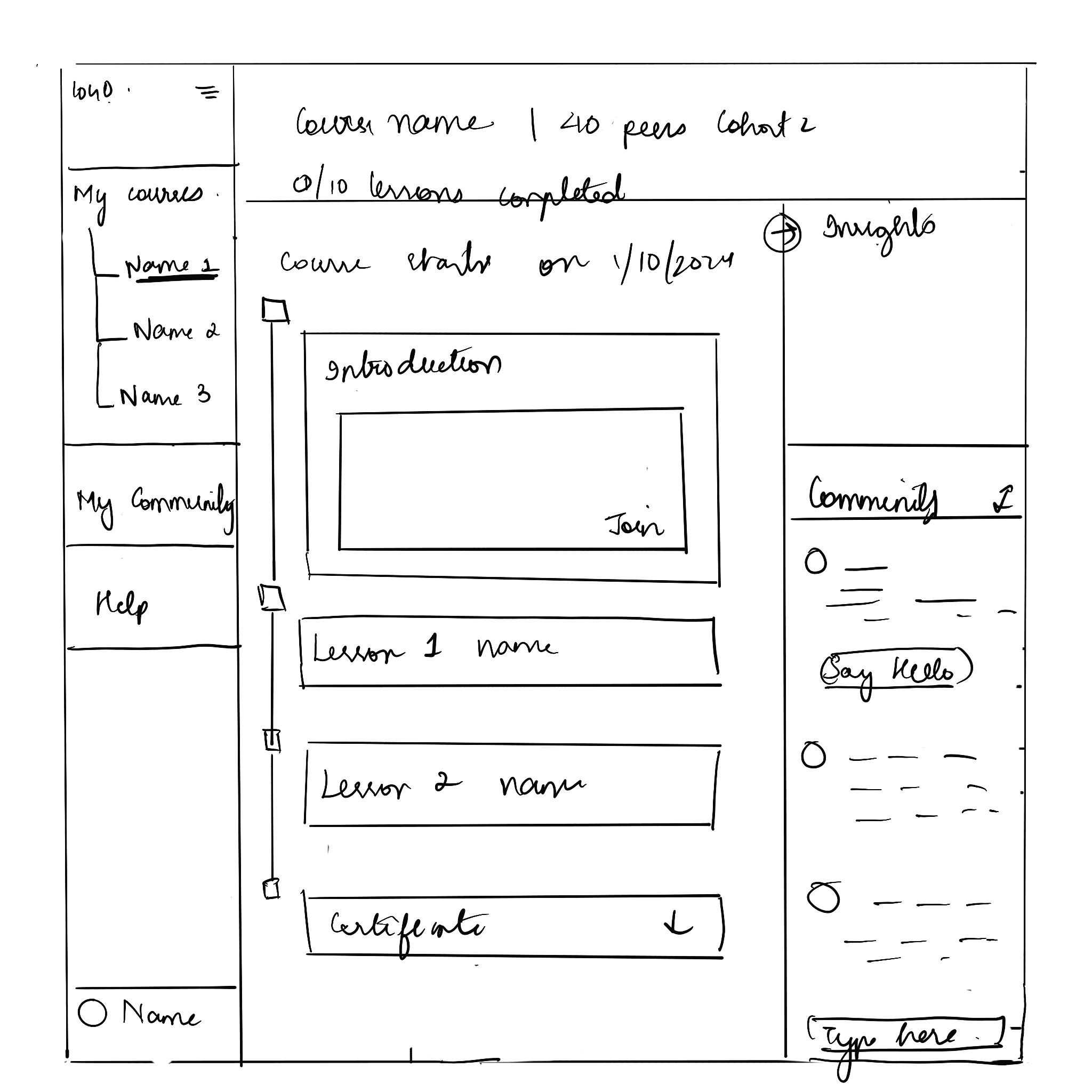
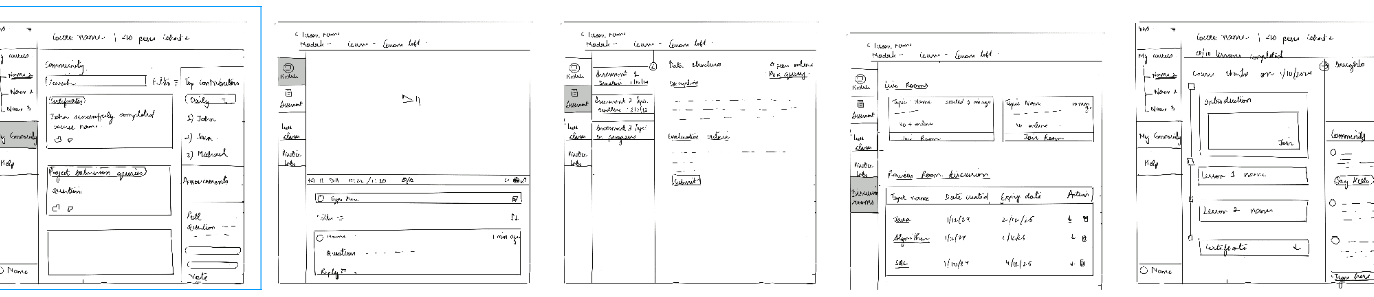
Explored four directions before landing on one.
Turn enrollment into a cohort
Learners entered programmes without knowing who else was learning alongside them. We introduced lightweight cohort visibility and introductions during programme induction so learners could recognise peers before they needed help from them
Keep questions attached to the lesson
Previously, getting help meant leaving the learning flow. We brought peer discussion into self-learning content so questions could stay connected to the exact lesson or topic that triggered them.
Give learners somewhere to get unstuck before submitting
Research showed that larger projects were a point of avoidance. We added project-specific discussion so learners could compare approaches, ask questions and see how peers were tackling the same work before submitting.
Make synchronous help visible and easy to join
Learners could see active and upcoming discussion rooms against the work they were completing, join sessions already in progress or set a reminder for later.
Let useful conversations persist beyond the moment
Contextual discussions solved immediate questions, but useful answers also needed somewhere to remain discoverable. The community brought course forums and topic-based discussions together while preserving links back to the learning context
We tested the prototype with 40 learners across 3 course stages. Three issues changed the final design:
Learners wanted discussions attached to specific work
moved questions closer to video/project context.Beginners hesitated to post publicly
reduced the prominence of reputation/ranking mechanics.Learners needed to know whether a room was active before joining
added participant counts and active/upcoming states.
The peer-learning changes shipped as part of Simplilearn's updated learner experience in 2023.
I started too close to the brief.
Our initial assumption was that learners were leaving because onboarding was difficult. Mapping behaviour beyond the first session showed that the larger problem emerged weeks later. That changed the scope of the work from one entry flow to several moments across the learning journey.Social features only worked when they had a job to do.
A generic community was easy to imagine but much harder to justify. The stronger concepts attached peer interaction to an existing learner need: understanding a lesson, beginning a project or finding accountability.I would measure individual mechanisms more carefully now
The launch metrics showed an improvement in completion, but they did not isolate which peer interventions contributed most. Today I would instrument each interaction separately — participation, return behaviour, assignment progression and eventual completion — so the team could learn which mechanisms were worth expanding.